Floor, aisle, and load come first
Start with surface type—polished slab, sealed concrete, or transitional thresholds from dock to interior. Add the narrowest aisle, turning radius at rack ends, and the maximum lift height. Finally, define the heaviest load and pallet dimensions. These numbers steer mast height, truck class, and counterweight.
How Augusta conditions influence the pick
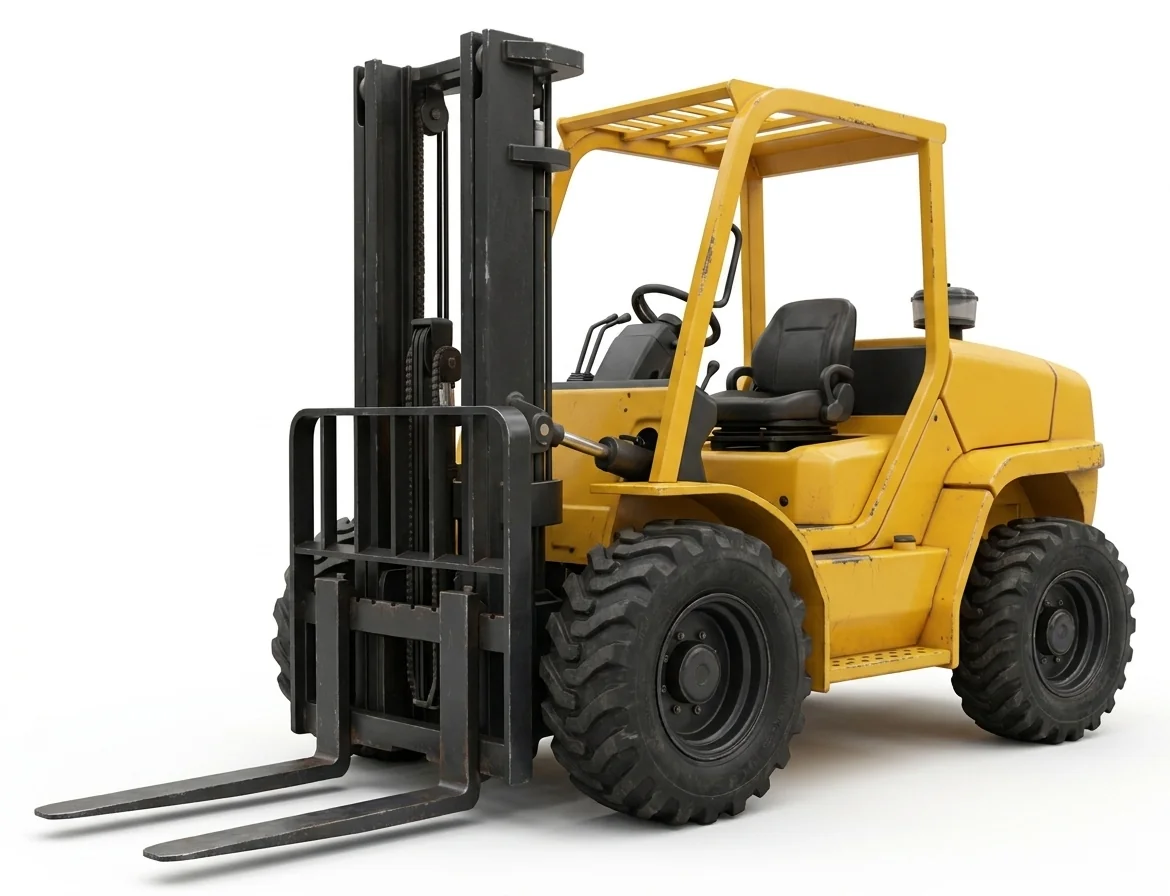
High summer humidity in large interiors without full climate control can affect batteries and electronics, and may call for power sources planned around ventilation and run time. Where docks open to yards with sandy loam or patches of red clay, cushion‑tire units typically stay inside, while pneumatic‑tire units handle short outdoor transitions on packed surfaces.
Typical local applications
- Cross‑docking and put‑away in regional distribution buildings
- Line‑side supply in manufacturing with frequent stops and starts
- Loading and unloading at mixed indoor/outdoor docks
If loads must be placed at elevation beyond typical mast heights or across soft ground, a telehandler may suit the task: /telehandler-rental/.
Clearance and handling details
Check door and sprinkler clear heights against mast and overhead guard. Note any grade at dock aprons, curb cuts, and expansion joints that the truck must cross during a shift. For work that includes elevated personnel tasks rather than material moves, see aerial options at /aerial-lift-rental/ and /boom-lift-rental/.
Related categories
- Material placement across variable ground: /telehandler-rental/
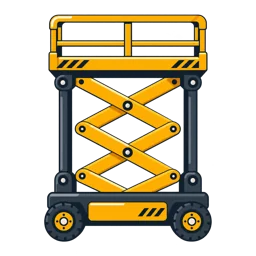
- Personnel access at height: /electric-scissor-lift-rental/, /rough-terrain-scissor-lift-rental/, and /vertical-mast-lift-rental/